The Ketamine Clue in the Cornell Seven Case and Female Mental Health in America
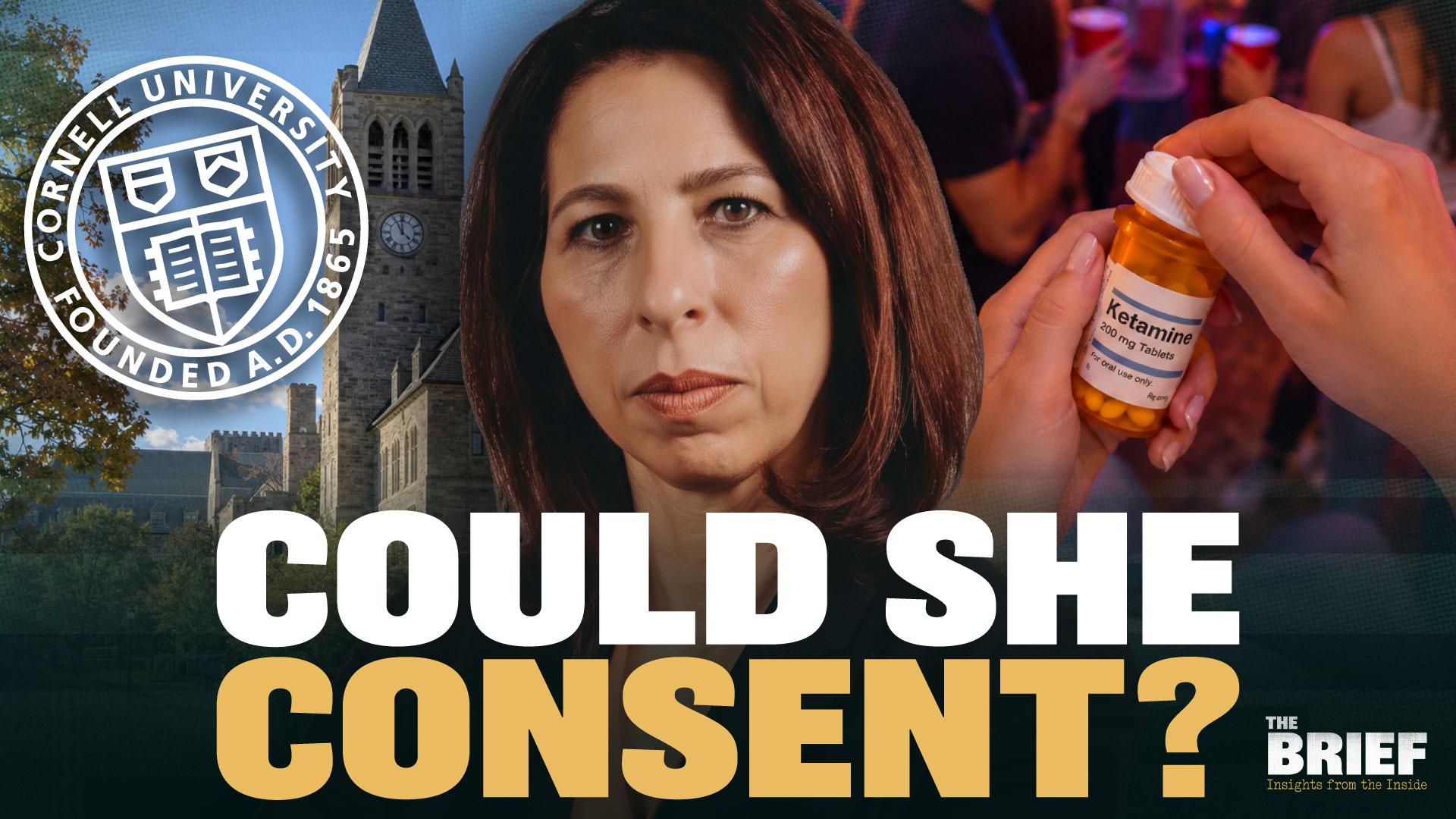
Can someone under the influence of ketamine truly consent — even if they voluntarily took the drug?
What do the Lindsay Clancy case, the Great Wolf Lodge murders, and Nick Reiner have in common — and could drugs and mental illness hold part of the answer?
In this episode of The Brief: Insights From The Inside, Shabbos Kestenbaum sits down with UCLA clinical psychologist and addiction researcher Dr. Suzette Glasner to examine the role of drugs, psychiatric medications, and mental illness in several high-profile criminal cases. From the Cornell Seven sexual assault allegations to the Lindsay Clancy case, Dr. Glasner explains how ketamine affects memory and consent, the differences between postpartum depression and psychosis, and the warning signs of serious psychiatric crises. They also discuss the recent Great Wolf Lodge tragedy in Pennsylvania and whether better mental-health screening and treatment could help prevent such incidents.
The conversation also explores Nick Reiner's alleged killing of his parents, Rob and Michele Reiner, and the relationship between substance abuse, psychiatric medications, and mental illness. Dr. Glasner explains why treating addiction and mental-health conditions together is critical, before turning to the growing mental-health concerns facing teenage girls in America, including depression, anxiety, social media, and suicidal thoughts.
 Shabbos Kestenbaum
 Suzette Glasner