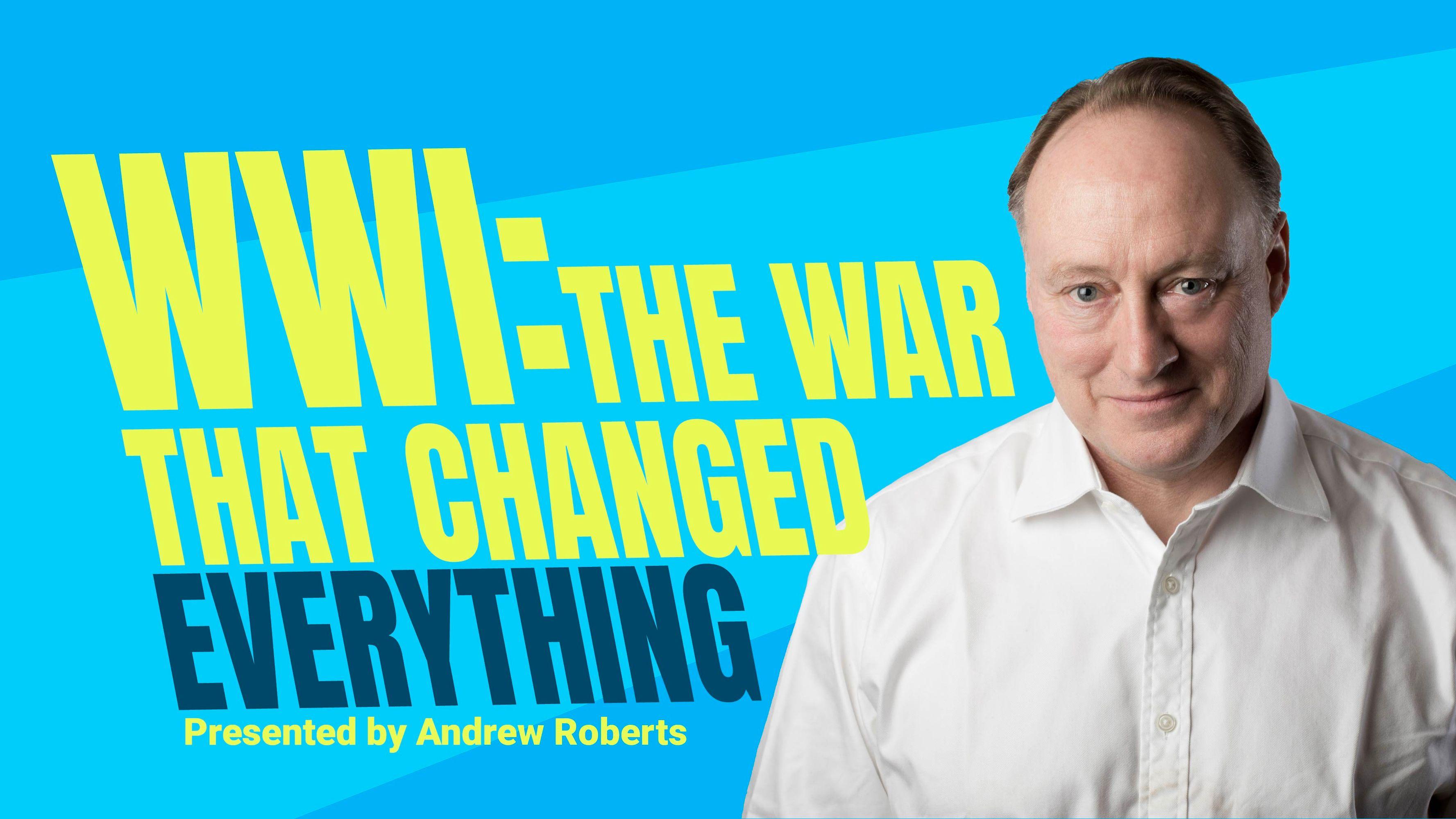
WWI: The War That Changed Everything
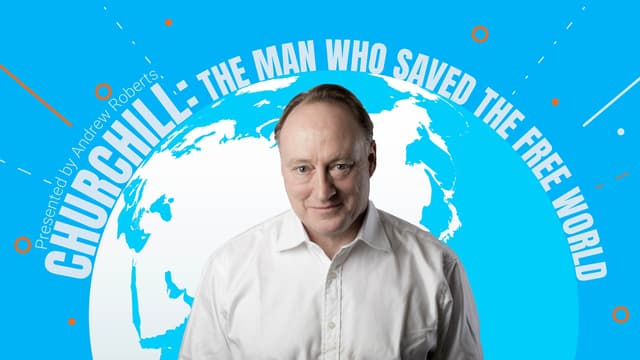
Think of all the horrors of the 20th Century: The Holocaust. The Bolshevik Revolution. The Cold War. Were it not for the assassination of one Austro-Hungarian archduke in 1914, none of those events would have ever happened. Historian and author Andrew Roberts explains.
After the end of the Napoleonic Wars, which revolution brought Europe an unprecedented period of economic growth?
AmericanRussianIndustrialTechnologicalWhat event ignited World War I?
The assassination of Archduke Franz FerdinandThe invention of the machine gunThe Weimar hyperinflationThe Bolshevik RevolutionGermany made a preemptive move on which European country?
BelgiumAustria-HungaryRussiaFranceWhat finally drew the United States into World War I?
The Bay of Pigs InvasionThe Zimmerman TelegramThe use of poison gas for the first time.The HolocaustMany people thought World War I would be a long and arduous battle.
TrueFalse
- The Industrial Revolution transformed Europe, leading to massive growth in population and prosperity in the 19th century.
In the wake of the French Revolution, Europe experienced 23 years of war with Napoleonic France.
View sourceThe Napoleonic Wars ended in 1815 with the Treaty of Paris, bringing peace to Europe.
View sourceThe Industrial Revolution changed Europe from an agrarian society to a society built around factories and machinery.
View sourceIn 1802 in Scotland, the first viable steamboat sailed, and in England, 1829, the first successful steam engine was built.
View sourceThe manufacturing and textiles industry was transformed by the cotton gin, the spinning jenny, and the flying shuttle.
View sourceBetween 1750 and 1850, estimates say that the population of England doubled.
View sourceThe GDP per capita in England and other leading European states began to climb dramatically in the 19th century.
View source- Despite the appearance of peace and progress, Europe was a powder keg of tangled alliances and mistrust in the early 20th century.
In Sarajevo, Bosnia, on June 28, 1914, Archduke Franz Ferdinand, the heir to the Austro-Hungarian empire, was assassinated by a Serbian nationalist.
View sourceAustria-Hungary asked for and received assurance that its powerful ally, Germany, would support it retaliation against Serbia.
View sourceWith Germany’s pledged support, Austria-Hungary, seeking to avenge the archduke’s murder, declared war on Serbia.
View sourceSerbia, knowing that it had no chance against Austria-Hungary, called on its ally, Russia, to defend it. Russia agreed, setting the stage for the First World War.
View source- On August 4, 1914, Germany ignited the First World War by attempting to invade France through neutral Belgium.
Russia solicited French support in secret. Germany didn’t expect the alliance, considering France and Russia’s differences.
View sourceGermany was unable to ally with France because of French anger over their annexing of Alsace-Lorraine in the Franco-Prussian war 30 years earlier.
View sourceBritain, France, and Russia formed the core nations of the Triple Entente, and Germany, Austria-Hungary, and Italy formed the Central Powers.
View sourceOn August 4, 1914, Germany attempted to capture Paris before the French had the chance to react by invading through neutral Belgium.
View sourceThis was the so-called Schlieffen Plan, named after the German general who conceived it.
View source- Kaiser Wilhelm II, the German emperor during WWI, was deeply anti-Semitic and blamed Jews for both World Wars.
Germany’s execution of the Schlieffen Plan, which ignited World War I, depended on the support of Germany’s leader, Kaiser Wilhelm II.
View sourceKaiser Wilhelm II was the Emperor of Germany from 1888 until his forced abdication in 1918. He was an unstable and vicious personality, who blamed Jews for both World Wars and suggested that Jews could be dealt with by gas.
View sourceIn response to Germany’s aggression, Britain joined France against Germany.
View source- The number of casualties in WWI shocked the world: by its end, over 16 million soldiers and civilians were killed.
New military technology resulted in unexpectedly massive casualties in World War I. A million men died in the first year; a total of over 16 million soldiers and civilians were killed by its end.
View sourceThe widespread use, for the first time, of barbed wire, machine guns, tanks, and poison gas turned the fields of France and steppes of Russia into vast cemeteries.
View sourceRelated Reading: “Elegy: The First Day on the Somme” – Andrew Roberts
View source- The stalemate of WWI was broken when the U.S. was drawn into the war in April 1917. The following year, Germany signed the armistice.
By 1917, World War I was at a stalemate.
View sourcePresident Woodrow Wilson had been elected largely on the anti-World War I slogan “he kept us out of war.”
View sourceWilson’s attitude changed when Germany attacked American merchant ships in the Atlantic.
View sourceThe final straw was the infamous Zimmerman Telegram in which Germany promised to give Mexico, in exchange for its military support, much of the American southwest, including Texas.
View sourceThe infusion of American manpower and weaponry allowed the Allies to take the initiative.
View sourceGermany finally agreed to an armistice on November 11, 1918.
View source- The unprecedented casualties of the First World War left Europe morally and physically shattered.
By the end of World War I, over 16 million soldiers and civilians were dead, including 1.7 million Russians soldiers, 1.8 million Germans, 1.4 million French, nearly 1 million British, and 117,000 Americans.
View sourceBy the end of WWI, Russia’s imperial government under the tsars was in the hands of Vladimir Lenin and the Bolsheviks.
View sourceGermany was forced into a humiliating surrender treaty at Versailles that required Germany to accept war guilt, pay reparations, and drastically cut its military.
View sourceOver the next decade and a half, Weimar Republic Germany would be further decimated by runaway inflation that destroyed what was left of its economy.
View sourceAdolf Hitler fought for the Kaiser in WWI, and the course of his life was profoundly shaped by his experience. WWI set the stage for WWII.
View sourceRelated Reading: “A History of the English-Speaking Peoples Since 1900” – Andrew Roberts
View source
As an historian, I’m often asked if I could stop one event in modern history from happening, what would it be?
My answer is World War I.
If there had been no World War I, there would have been no Russian Revolution, no World War II, no Holocaust, no Cold War.
And that doesn’t even consider the millions who died in the war itself.
Following the end of the Napoleonic Wars in 1815, Europe experienced an unprecedented period of economic growth. Brought about by the Industrial Revolution, this new prosperity spawned rapid developments in science, medicine, art, and political philosophy.
The future of civilization never looked brighter. And then, suddenly, it all went up in flames.
The fuse was lit in June 1914, in a street in Sarajevo, Bosnia. It was there that Archduke Franz Ferdinand, the heir to the Austro-Hungarian empire, was assassinated by a Serbian nationalist. It should have been no more than a sad footnote in history. Instead, it changed history.
Austria-Hungary, seeking to avenge the Archduke’s murder, declared war on Serbia. But before taking this drastic step, it asked for—and received—a blessing from its powerful ally, Germany.
Serbia, knowing that it had no chance against Austria-Hungary, called on its ally, Russia, to defend it. Russia agreed.
To strengthen its hand, Russia solicited French support should war break out. France, ever suspicious of German intentions, assented.
Germany then made a pre-emptive move to take France out of the war. The German command, having long planned this war, invaded France through neutral Belgium. This prompted Britain to join France against Germany. Suddenly, the entire continent was engulfed in war.
The key player was Germany. Their strategy was to punch through Belgium and France and capture Paris before the French had time to react. This was the so-called Schlieffen Plan, named after the German general who conceived it. With France conquered, they would turn their attention to Russia.
That Germany thought it would actually work comes down to one man, Germany’s leader, Kaiser Wilhelm II. The Emperor of Germany from 1888 until his forced abdication in 1918, Wilhelm was a profoundly unpleasant, unstable and vicious personality. By 1914, he believed that Germany should not only dominate Europe, but the entire world.
Had the Schlieffen Plan worked, Germany most certainly would have. But it didn’t work. The British and the French put up stiff resistance in the west. Russia did the same in the east. The losses incurred by all sides were immediate—and appalling.
The widespread use, for the first time, of barbed wire, machine guns, tanks, and, worst of all, poison gas turned the fields of France and the steppes of Russia into vast cemeteries. By 1917, the war was at a stalemate.
Who knows how long it would have stayed that way if the United States had not been drawn in? Ironically, President Woodrow Wilson had been elected largely because he promised to keep America out of “Europe’s War.” His attitude changed when Germany attacked American merchant ships in the Atlantic.
The final straw was the infamous Zimmerman Telegram in which Germany promised to give Mexico, in exchange for its military support, much of the American southwest, including Texas.
The infusion of American manpower and weaponry allowed the Allies to take the initiative. The war finally ended in November of 1918. Sixteen million people—soldiers and civilians—were dead.
Three million Russians.
2.5 million Germans.
1.7 million French.
One million British.
And 117,000 Americans.
Russia was now in the hands of Vladimir Lenin and the Bolsheviks. France and Britain were physically and morally shattered. Germany, forced into a humiliating surrender treaty at Versailles, would soon be further decimated by runaway inflation that destroyed what was left of its economy. Meanwhile, the United States retreated into isolationism.
It was pause, not a peace. The stage was being set for a new and very much worse disaster—a second World War, one that would lead to three times the deaths of the first one.
It would be instigated by a madman who fought for the Kaiser and shared the same dream of world domination.
Had it not been for WWI, we would have never heard of him.
I’m Andrew Roberts for Prager University.
Stay up to date on our latest releases
PragerU is changing the minds of millions worldwide. Help us keep our videos FREE!
Help support our mission
To make a donation over the phone, call (833) PragerU
At $35 or more you’ll be a PragerUnited Member
- Free merch every quarter
- Insider updates
- Free Annual Membership Sticker
Prager University is a 501(c)3 nonprofit, Tax ID: 27-1763901. Your contribution is fully tax-deductible in the USA.