How Foreign Aid Keeps Africa Poor
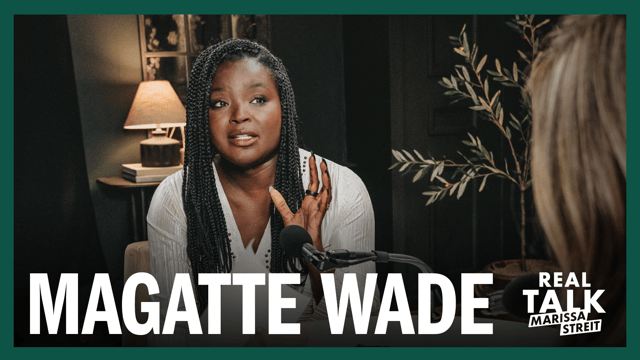
Does foreign aid help Africa—or hurt it? Senegalese entrepreneur Magatte Wade knows that prosperity can’t be built on handouts, no matter how well-intentioned. So, what’s the real solution to African poverty? Get ready for a surprise.
Topics
Hosted By
 Magatte Wade
Foreign aid is not the solution to poverty in Africa.
It’s one of the reasons why Africa is poor.
Yes, you heard that right.
For years, we've been sold the idea that aid from organizations like USAID helps "lift" Africa out of its poverty.
But here’s the truth: if foreign aid worked, Africa would be the richest continent on Earth by now.
Free market advocate and former US Congressman Ron Paul described it perfectly. “Foreign aid is taking money from the poor people of a rich country and giving it to the rich people of a poor country.”
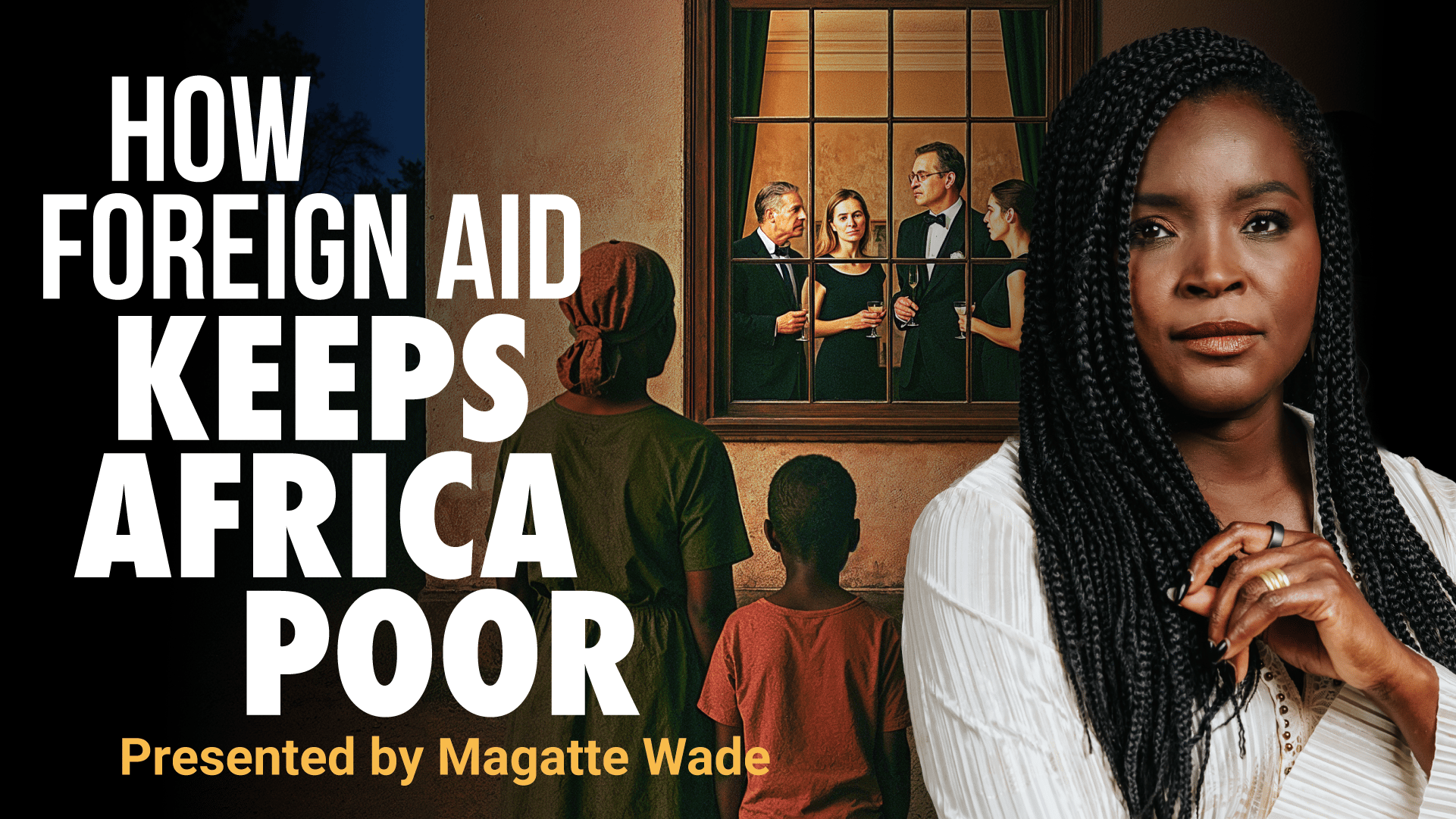
Walk through the streets of Dakar, Senegal where I am from, and you'll see exactly where your aid money goes. The city is filled with foreign residents working for the UN, non-governmental organizations (NGOs), and embassies.
They live in a parallel economy – one that most Senegalese can only observe from the outside.
These aid workers enjoy lives of luxury: fine dining at expensive restaurants, driving new SUVs, occupying the best apartments in town, employing multiple household staff and hosting lavish parties.
And, by the way, they receive "hardship pay" for the “sacrifice” of living in “faraway places filled with malaria, tropical diseases and tough climates.”
This creates a devastating ripple effect throughout our local economy.
These organizations, flush with seemingly unlimited cash, inflate the cost of everything – from housing to basic services.
A local business owner like me has to compete with these inflated prices while running a real business with real constraints.
But the damage goes deeper than just raising the cost of living.
These organizations also poach our best and brightest talents with salaries that no local business can match. Instead of building new enterprises, innovating solutions, or creating economic value, our most capable people are diverted into bureaucratic jobs pushing papers and writing reports nobody will ever read.
I've seen brilliant minds reduced to professional workshop attendees, moving from one donor-funded meeting to another, producing nothing of lasting value.
When I travel across Africa, I don't see sustainable prosperity created by aid programs. Instead, I see the destruction of local markets and the creation of dependency cycles.
Consider what happens in our villages: When free mosquito nets arrive, local merchants who sell them go bankrupt.
The same thing happens with shoes. Donated shoes flood local markets, making it impossible for local shoe manufacturers to compete.
And the “desperately needed” food aid? Much of that gets hijacked by corrupt government officials and sold at below market prices. African farmers can’t compete against this “free” food. So, they stop farming and move into the already crowded cities.
Local food-producing ecosystems are destroyed, which only worsens the hunger problem. These are the real costs of “humanitarian aid.”
To be clear, I’m not speaking about aid in response to an emergency like a natural disaster. But these disasters are rare. “Development aid” is an ever-flowing river of money and goods and it’s destroying a continent.
Like all government sponsored efforts (this is as true within the US and Europe as it is in Africa), there is no accountability for the money spent.
The budgets of these aid organizations make no sense in any real-world context. They measure success by money spent and goods distributed, not by actual economic development or the creation of profitable businesses.
Even more frustrating is how this system creates a culture of dependency that diminishes Africans’ dignity. The narrative becomes one of Africa needing constant help, rather than Africa needing fair opportunities to compete and grow.
When you think of Africa what comes to your mind: dynamic entrepreneurs or starving children? I thought so.
I recently approached the head of a San Francisco venture fund looking for investment in a business I wanted to start in Africa. He didn’t want to give me capital. He wanted to give me charity. “Can we dig wells,” he asked? “They need fresh water, right?”
That’s what got him excited.
Condescension cloaked in do-goodism.
That’s the typical Western attitude toward Africa.
Foreign aid indeed creates jobs and careers - just not for the people it's supposed to help. Every successful economy in history has developed through entrepreneurship and trade, not through handouts, no matter how well-intentioned.
The sooner we stop treating foreign aid as a sacred cow, the sooner we can start focusing on what actually works: economic freedom and policies that empower people to build their own futures.
The first step toward a prosperous Africa is to eliminate what's poisoning it – this toxic aid that has created a parallel economy most Africans are locked out of and diverted our resources away from productive activities.
Only then can we build the Africa we know is possible: where ambition is rewarded, dignity is preserved, and prosperity is created through our own efforts rather than the misguided kindness of strangers.
Africa doesn't need more foreign aid. It needs more freedom.
I’m Magatte Wade, author of The Heart of A Cheetah: How We Have Been Lied to about African Poverty, and What That Means for Human Flourishing, for Prager University.