Road to Liberty: The Siege of Yorktown
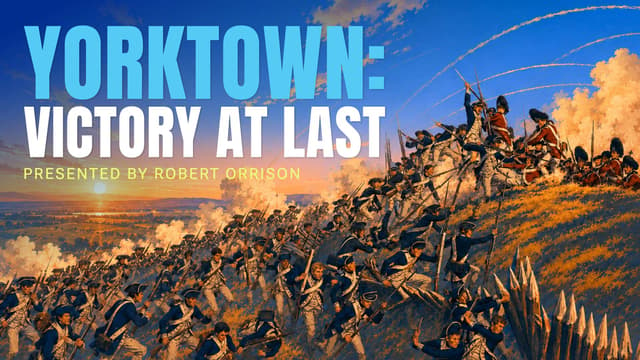
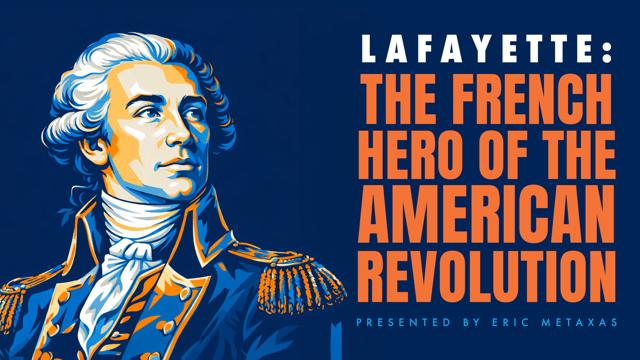
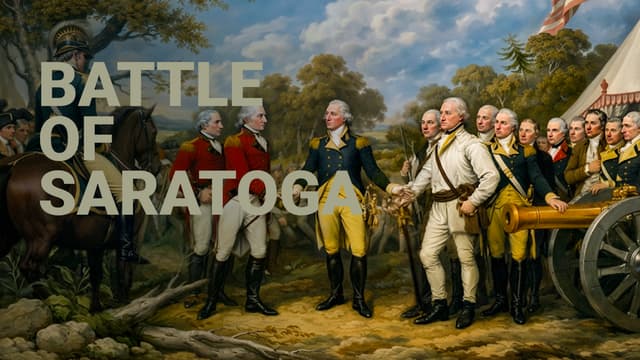
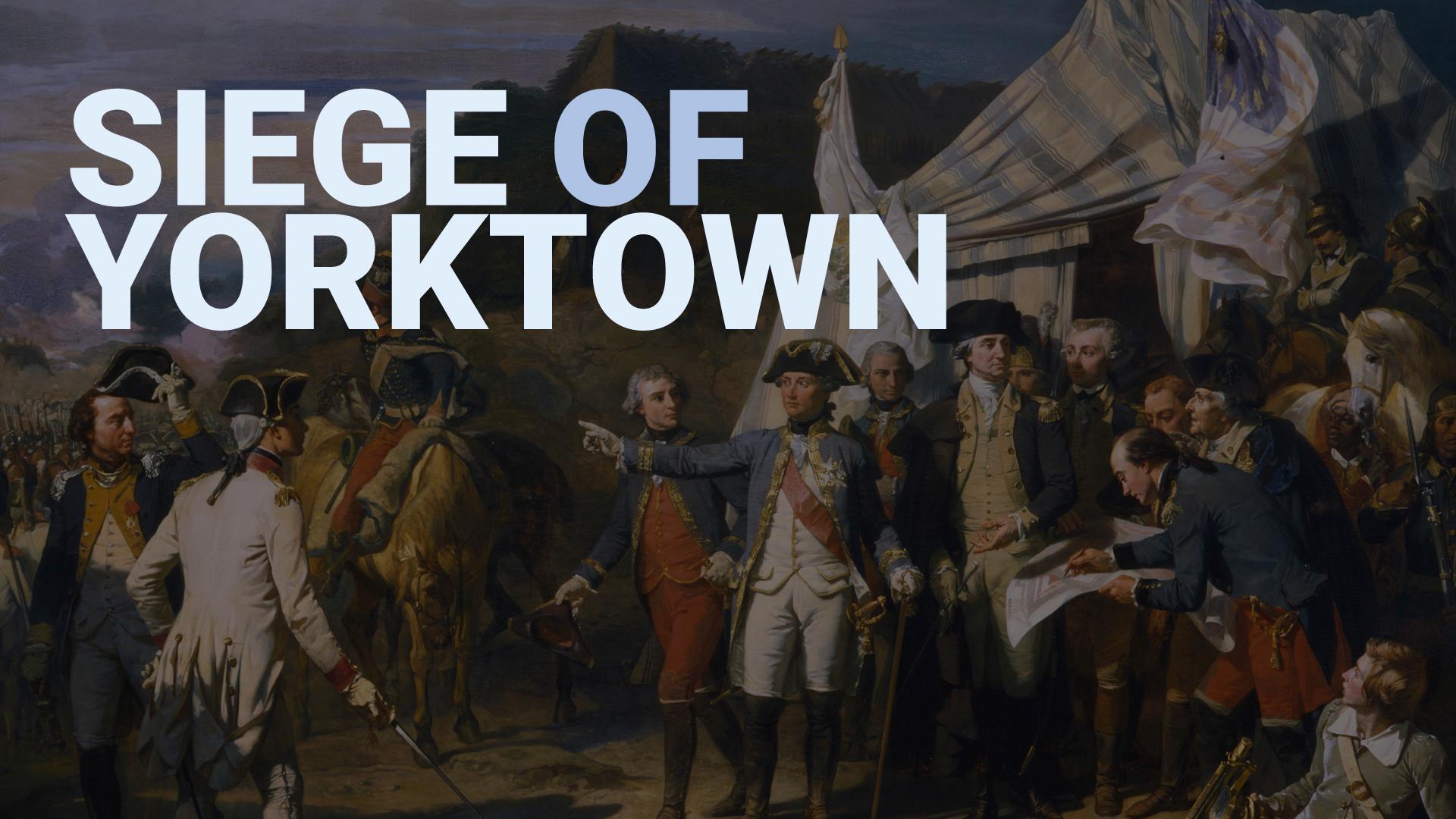
The final battle of the Revolutionary War–the surrender at Yorktown, Virginia–marked the end of the lengthy war between the British and the new United States. A peninsula near the mouth of the Chesapeake Bay, Yorktown was the final fortification for Charles Cornwallis’s band of British troops and Hessian mercenaries. The American victory at Saratoga, achieved by General Horatio Gates in October 1777, was a pivotal moment in the American Revolution because it further convinced the French to formally ally with the American colonists, providing critical military and financial support. The aid provided by the Marquis de Lafayette and the troops led by the Comte de Rochambeau proved necessary for the victory won by Washington’s Continental Army. The French Navy, led by the Comte de Grasse, overcame the British at the Battle of the Chesapeake mere weeks before the final siege was waged, allowing the French to control the bay and preventing Cornwallis’s men from escaping by sea. Cornwallis surrendered on October 19, 1781, at 10:30 a.m. The Treaty of Paris was signed on September 3, 1783, after months of negotiations between the American and British delegates following the American victory at the Battle of Yorktown. According to the Treaty, “His Britannic Majesty acknowledge[d] the said United States…to be free sovereign and Independent States.”