Road to Liberty: The First Continental Congress
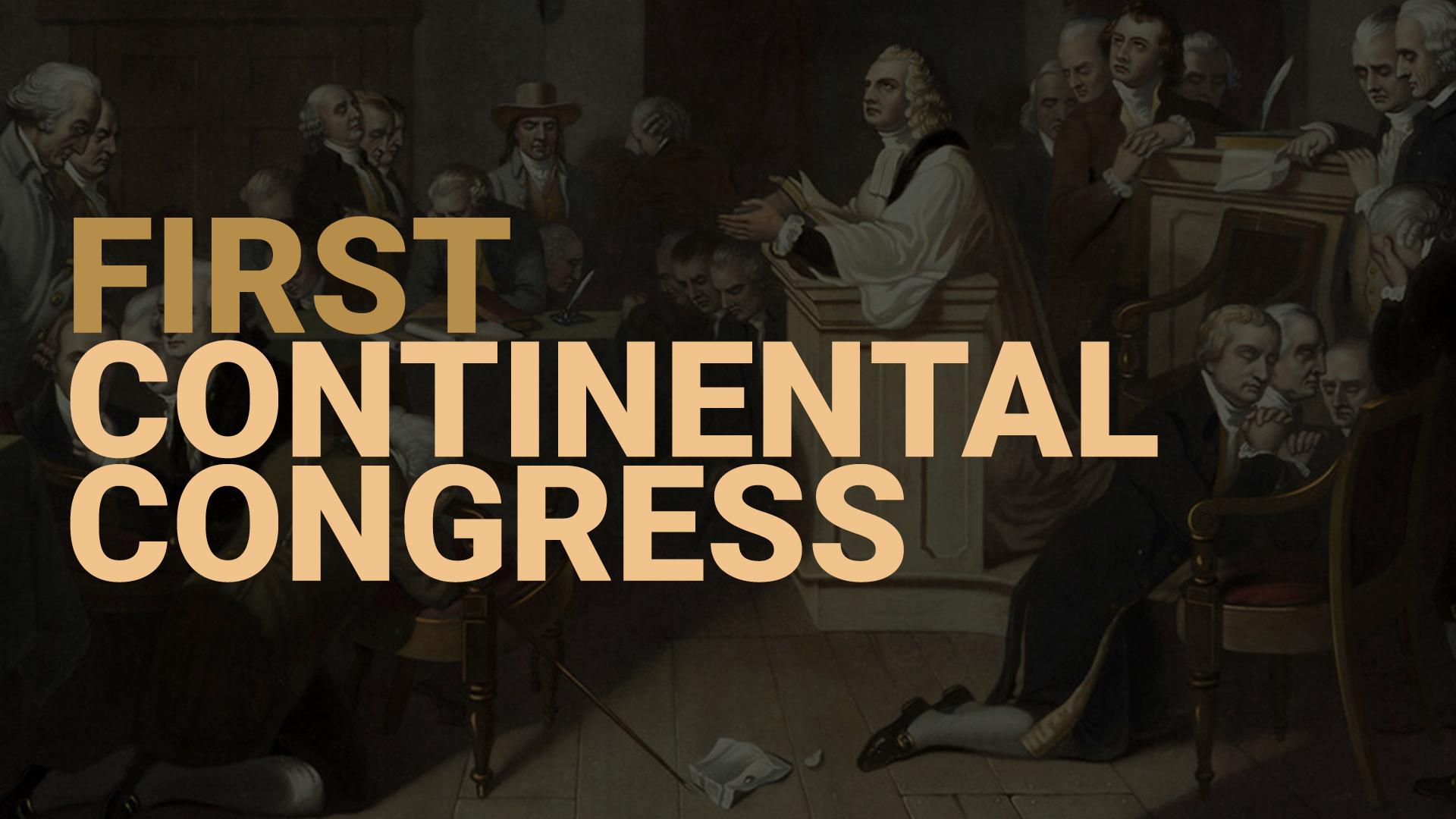
On September 5, 1774, the First Continental Congress convened at Carpenters’ Hall in Philadelphia, Pennsylvania, to voice their opposition to British tyranny and establish principles common to all the colonies, including life, liberty, and property. Here, delegates from 12 of the 13 North American colonies met to reconcile their competing interests and to coordinate their resistance to British oppression.
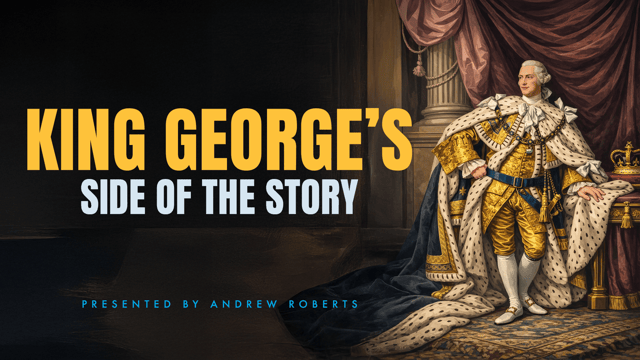
On October 20, the Congress adopted the Articles of Association, committing the colonies to a total boycott of British goods if they did not repeal the Intolerable Acts by December 1, 1774, as well as an embargo on exports if they did not repeal them before September 10, 1775. In a further defense of their rights, the delegates approved the Declaration and Resolves of the First Continental Congress on October 14, 1774, which outlined the colonies' objections to oppression and asserted their rights as British subjects. This document also discussed sending a formal petition directly to King George III.
Having taken measures to promote peace, the Congress took steps to prepare for war in case the British monarchy refused to accept their demands. Prominent Founding Fathers like George Washington, Samuel Adams, and Patrick Henry used the forum to exchange ideas and information that laid the groundwork for armed resistance.
By galvanizing public opinion in the colonies, and generating widespread support for resistance, the First Continental Congress played a crucial role in advancing intercolonial cooperation. After disbanding on October 26, 1774, the Congress agreed to reconvene on May 10, 1775, for the Second Continental Congress.