Road To Liberty: The Articles of Confederation
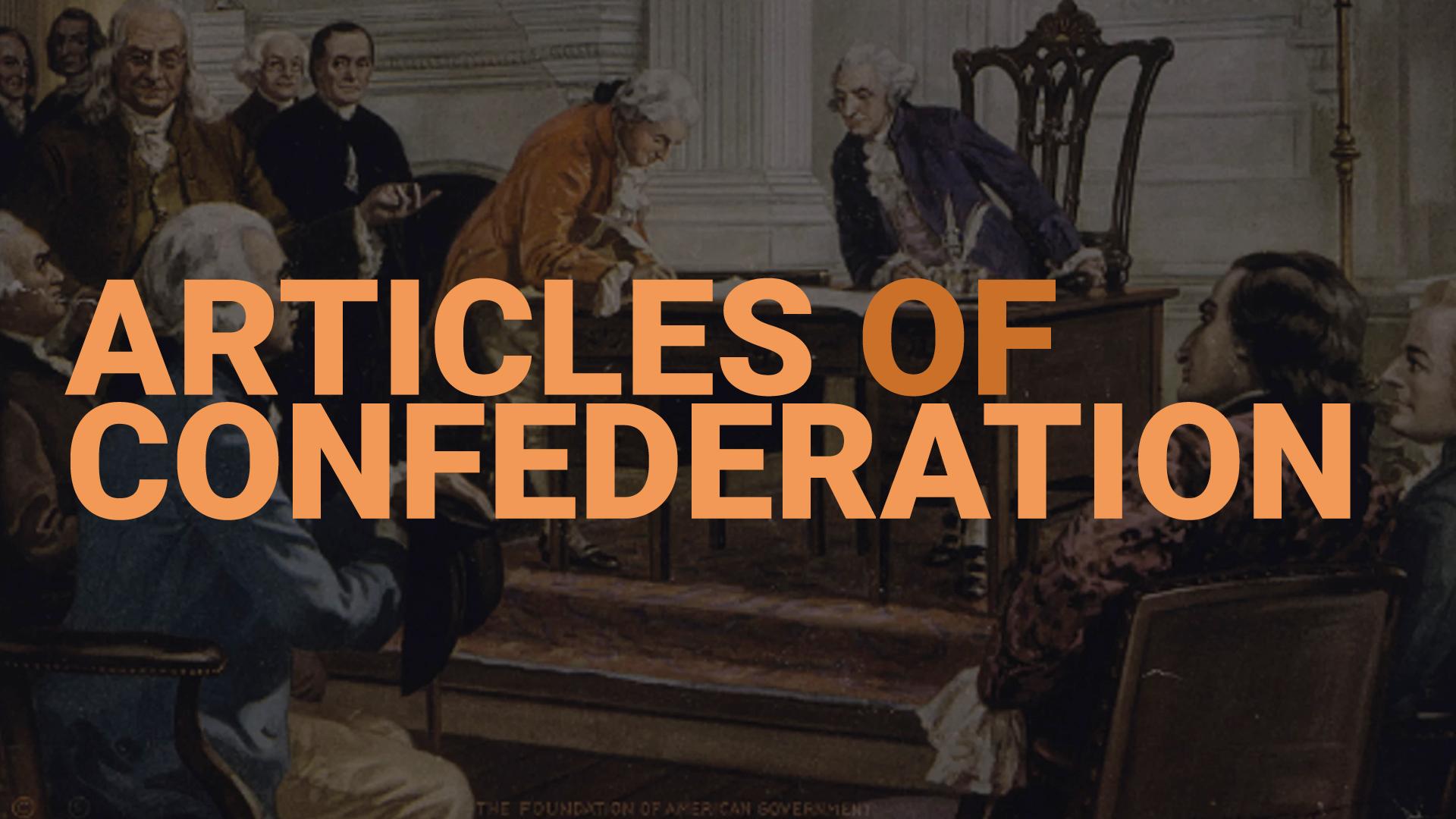
After members of the Second Continental Congress signed the Declaration of Independence on July 4, 1776, the body began drafting the Articles of Confederation and Perpetual Union, the first governing document of an independent nation.
The Articles were finalized by the Congress on November 15, 1777, introduced to the 13 colonial states for ratification, and came into force on March 1, 1781, less than eight months before Washington’s ultimate victory at Yorktown on October 19, 1781. In the Articles, the only body existing outside of state governments was the unicameral legislature without the power to tax; neither an executive nor judicial branch was established.
Each colonial state was granted one vote, regardless of the size of a given state’s population. This system was designed to ensure that smaller states had equal representation with larger states, which led to a balance of power but also created challenges for decision-making. The system organized under the Articles’ drafters would be short-lived, as it lacked enough centralized control and spending authority to unify the states. The Articles of Confederation were superseded by the US Constitution just over eight years after their ratification.